

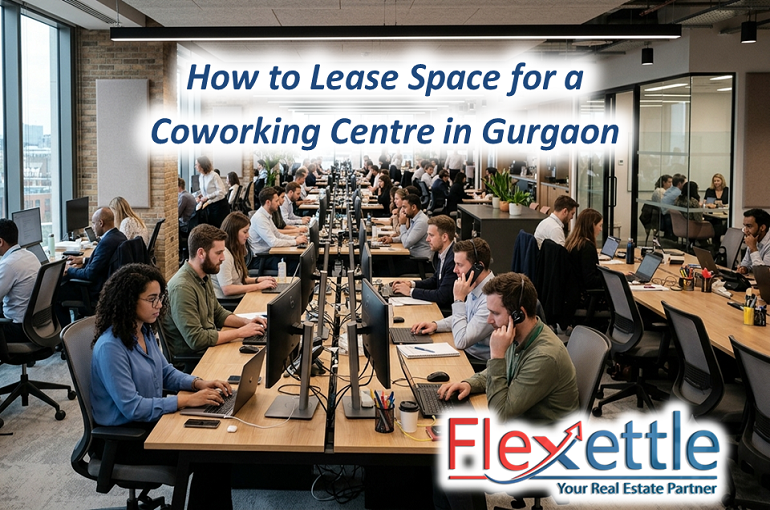
Lease your Building for Coworking Centre Operations in Gurgaon
The Landlord’s Blueprint: How to Lease Space for a Coworking Centre in Gurgaon
The corporate real estate landscape in Gurgaon has evolved. Forward-thinking multinational corporations, Fortune 500 enterprises, and fast-scaling tech companies are abandoning long-term, capital-heavy traditional office formats. Instead, modern occupiers demand flexible, shared, and agile working environments. This massive structural shift has triggered an unprecedented surge in demand to lease space for coworking in Gurgaon.
For commercial property owners, this market shift is a highly profitable opportunity. By converting standard commercial spaces into vibrant, community-driven flexible facilities, you can unlock premium valuation multiples and secure high footprint volumes. However, anchoring the right workspace provider requires seasoned operational knowledge, bespoke legal framework design, and deep industry connections.
Whether you own a premium corporate floor plate or an independent institutional asset, here is how you can seamlessly navigate a coworking space lease in Gurgaon with Flexettle.
Why Asset Owners Choose to Lease Space to Coworking Operators in Gurgaon
While traditional leases tie you down to a single corporate tenant whose business needs might shift, flexible workspace hubs distribute market demand across a vibrant ecosystem. Property owners are increasingly choosing to design a coworking space lease in Gurgaon over conventional real estate agreements for several distinct advantages:
- Long-Term Portfolio Stability: Premier coworking operators in Gurgaon invest significantly in premium asset upgrades. Because these spaces are built to attract a continuous pipeline of enterprise teams and freelancers, the operators secure long-term operational horizons spanning 5 to 9+ years with structured rental escalation schedules.
- Continuous Footfall and High Visibility: A bustling coworking center injects dynamic, daily corporate footfall into your building. This massive influx of professionals naturally elevates the commercial valuation of your entire property and significantly boosts any surrounding retail, food, or beverage spaces you might own on-site.
- Institutional Asset Enhancements: Top flexible workspace brands fit out properties with high-spec Grade-A interiors, robust security systems, café zones, and advanced IT setups. This level of capital investment instantly accelerates your property's overall market aesthetic and long-term resale value.
- Seamless Operational Overhead Protection: The operating coworking brand handles all day-to-day administrative headaches, community management, corporate concierge operations, cleaning, security, and utility compliance. Landlords enjoy entirely passive revenue generation without the hassle of routine facility operational disputes.
Gurgaon’s Prime Coworking Hubs & Micro-Markets
Flexible workspace operators prioritize prime connectivity, accessibility, and high corporate density. Major operator networks actively focus their search profiles on Gurgaon’s premier commercial corridors:
- DLF Cyber City & NH-48 Corridor: The ultimate corporate cluster housing global tech giants, consulting institutions, and premium connectivity hubs.
- Golf Course Road & Golf Course Extension: The luxury gold standard for modern Grade-A developments, ideal for high-end flexible workspaces, premium meeting rooms, and elite corporate clients.
- Sohna Road, Sector 62, & Sector 44: High-growth commercial zones offering massive, expansive floor plates, excellent employee residential accessibility, and highly competitive institutional sizing.
Understanding the Structural Shifts: Coworking vs. Managed Office vs. Traditional Leases
To maximize your asset's financial potential, it is essential to understand how these models compare across key operational pillars:
- Primary Target Occupier: When you lease space for coworking in Gurgaon, your property benefits from a diverse mix of freelancers, tech startups, and scaling enterprise teams, ensuring the space remains continuously utilized. In contrast, managed offices strictly target a single enterprise client, while traditional commercial leases cater to standard corporate tenancies.
- Customization Capability: Coworking spaces rely on highly optimized, standardized open-plan design layouts featuring hot desks, dedicated seats, meeting rooms, and communal lounges designed for shared usage. Conversely, managed offices are 100% tailor-built to a single tenant's brand guidelines, while a traditional landlord simply hands over a completely raw shell.
- Upfront Landlord CapEx: One of the most significant advantages to partnering with coworking operators in Gurgaon is that upfront capital expenditure for the landlord is moderate to low. Operators absorb the design and operational infrastructure costs, unlike traditional leases which often force property owners to take on high fit-out costs or grant lengthy rent-free periods to attract tenants.
- Cash-Flow Stability: Structured flexible workspace agreements provide excellent long-term diversification. While a traditional commercial lease carries a high risk of complete financial loss if its sole tenant suddenly exits, a coworking hub mitigates this risk by serving a revolving pipeline of sub-occupiers, keeping your underlying asset actively generating income.
Frequently Asked Questions (FAQs) towards Coworking Centre Leasing in Gurgaon
Q1: What is the ideal floor plate size required to lease space for coworking in Gurgaon?
A: Operators look for spaces that can support a thriving, collaborative ecosystem. Coworking centers typically require a minimum usable floor area of 10,000 to 15,000 sq. ft. (ideally larger for Grade-A flagship locations). Building profiles with wider, uninterrupted columns and high natural lighting are highly preferred.
Q2: Who covers the interior setup and structural facility management costs?
A: In a standard setup, the coworking brand takes charge of the capital expenditure (CapEx) required for interior architecture, community desks, zoning, and aesthetic layouts. The landlord is strictly responsible for providing a legally compliant space, structural building safety, and basic common-area amenities (unless managed via a specific CAM agreement).
Q3: What technical benchmarks must the commercial property meet?
A: Because coworking hubs support a higher density of professionals than traditional offices, properties must be equipped with:
- Enhanced, reliable power allocations (minimum 1 KVA per 80–100 sq. ft.).
- Dual-source 100% automatic power backup systems.
- Modern central HVAC infrastructure with robust zone-based climate control.
- Full compliance with fire safety regulations and valid commercial occupancy certification.
Q4: What is the typical lock-in period for a coworking space lease in Gurgaon?
A: Because workspace brands make significant upfront investments to build a community-centric ecosystem, they require operational stability. The total lease duration typically spans 5 to 9 years, with a strict lock-in period generally lasting between 3 to 5 years for both parties.
Q5: How do commercial models differ between revenue-sharing and fixed-rent coworking leases?
A: Under a Fixed-Rent Lease, the operator pays a set monthly rental fee per square foot, regardless of their internal occupancy numbers. In a Revenue-Share (or Managed Partnership) Model, the landlord accepts a lower base rent in exchange for a percentage of the operator's total monthly workspace and desk revenue, allowing the landlord to participate in the property’s upside.
Q6: Can a property owner transition an existing vacant traditional office into a coworking setup?
A: Yes. Owners can leverage their commercial real estate assets by entering into a managed partnership with established operators via Flexettle. Instead of bearing heavy out-of-pocket development costs or letting a building sit vacant, landlords can plug into a proven flexible brand's operational infrastructure, licensing, and corporate lead generation systems.
Q7: What are the exit clauses and restoration terms common in these corporate agreements?
A: Standard agreements outline clear exit penalties if an occupier leaves before the lock-in period expires. Regarding property condition, most contracts include a "de-fitting" or restoration clause. This dictates whether the operator must return the floor plate as a raw shell or if the premium enterprise modifications stay intact, adding permanent capital value to your building layout.
Monetize Your Asset Seamlessly with Flexettle
Transforming an underperforming or vacant commercial asset into a premium flexible corporate engine requires more than standard brokerage.
At Flexettle, we look beyond short-term transactions. We provide end-to-end Turnkey Asset Optimization, guiding your commercial asset through its entire lifecycle—from pre-qualification and structural technical layout review to securing highly lucrative lease contracts with premium operators.
We assist property owners in avoiding lengthy market vacancies, neutralizing hidden regulatory risks, and negotiating highly favorable institutional lease contracts.